
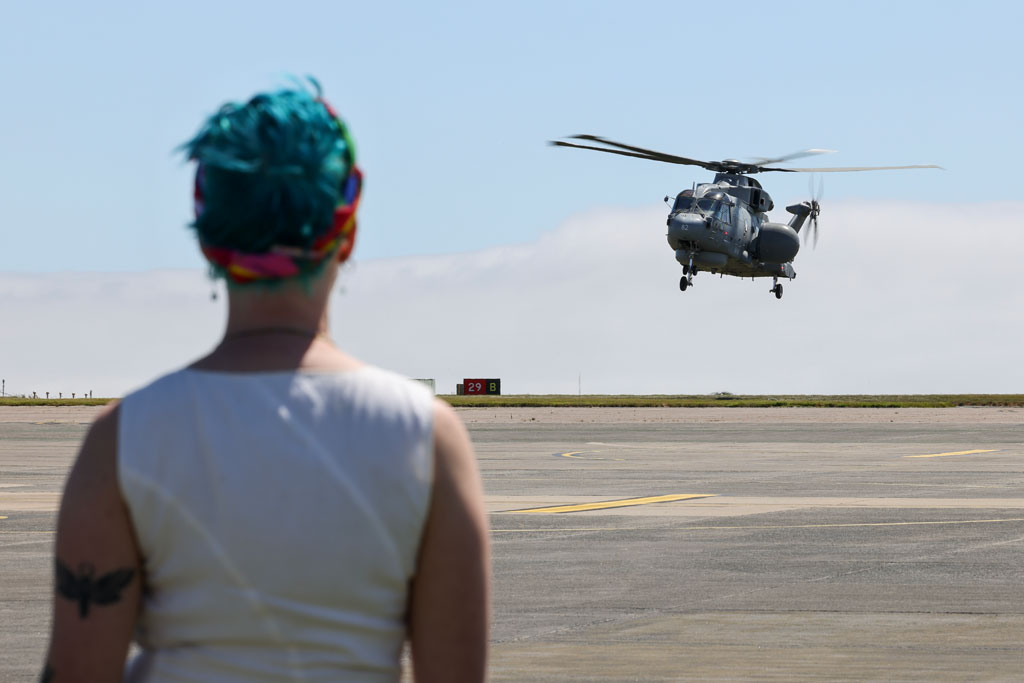
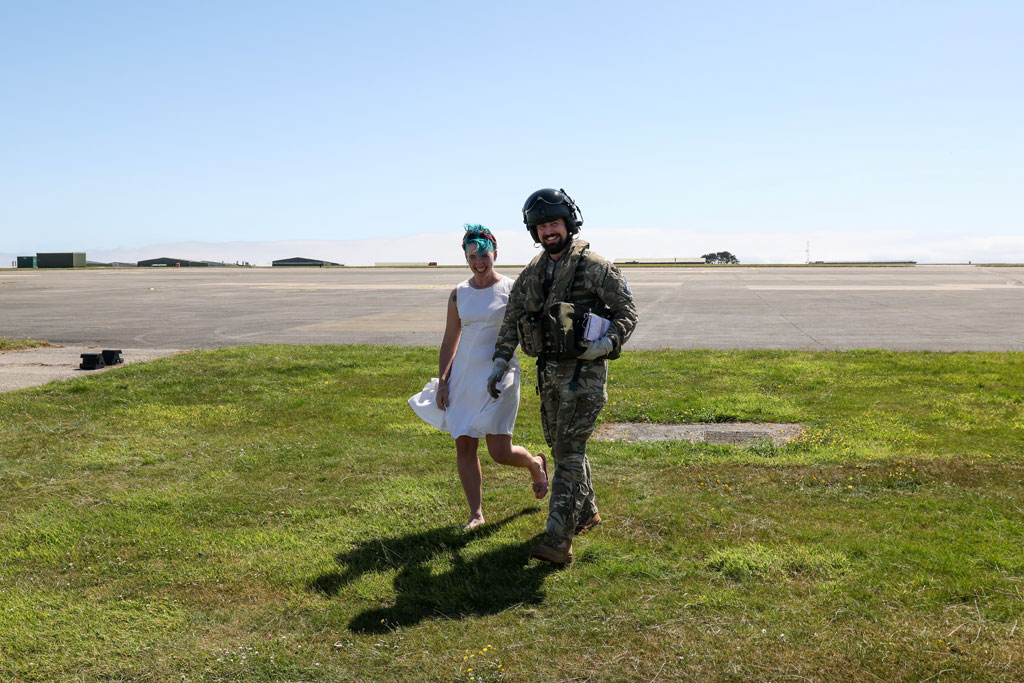
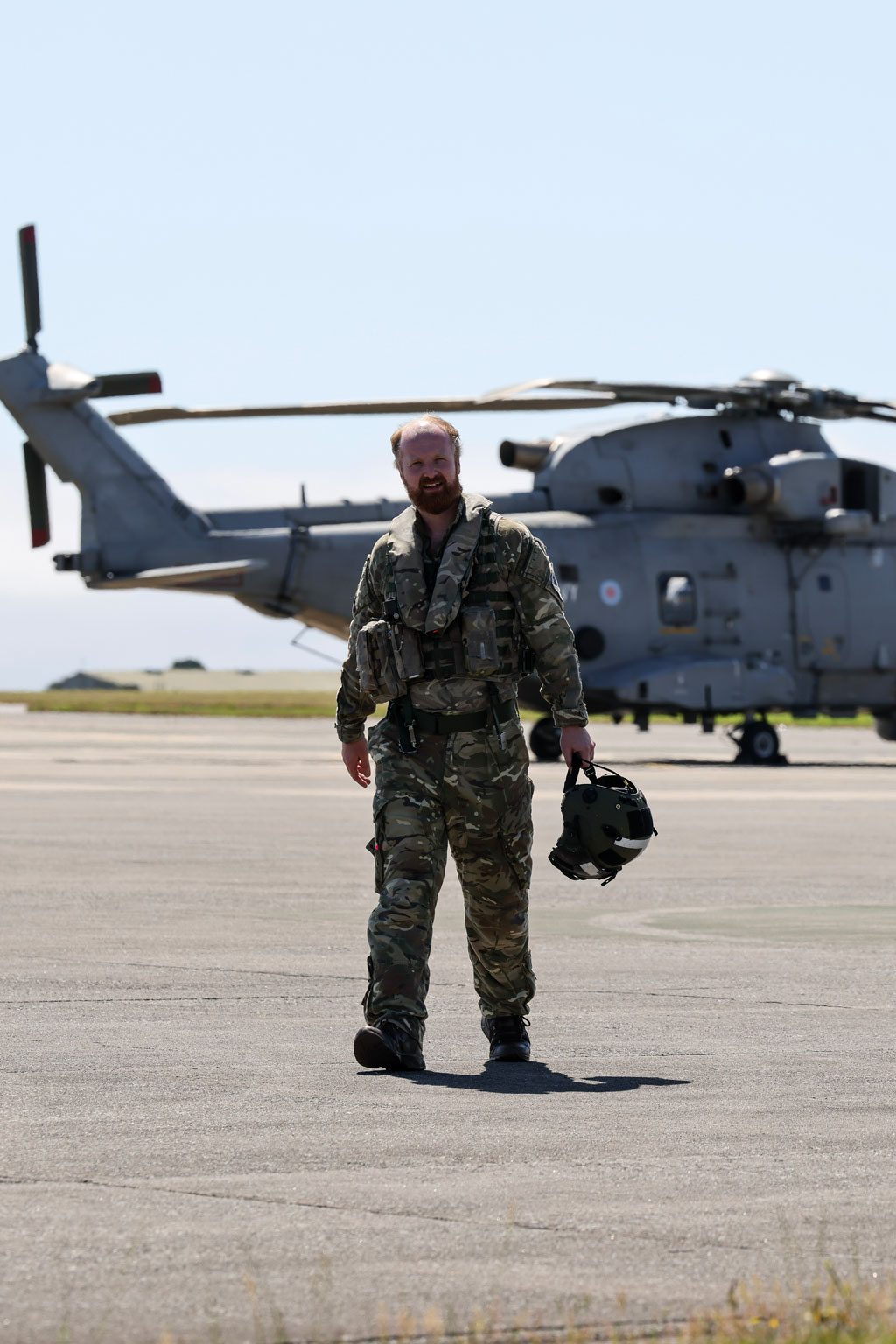
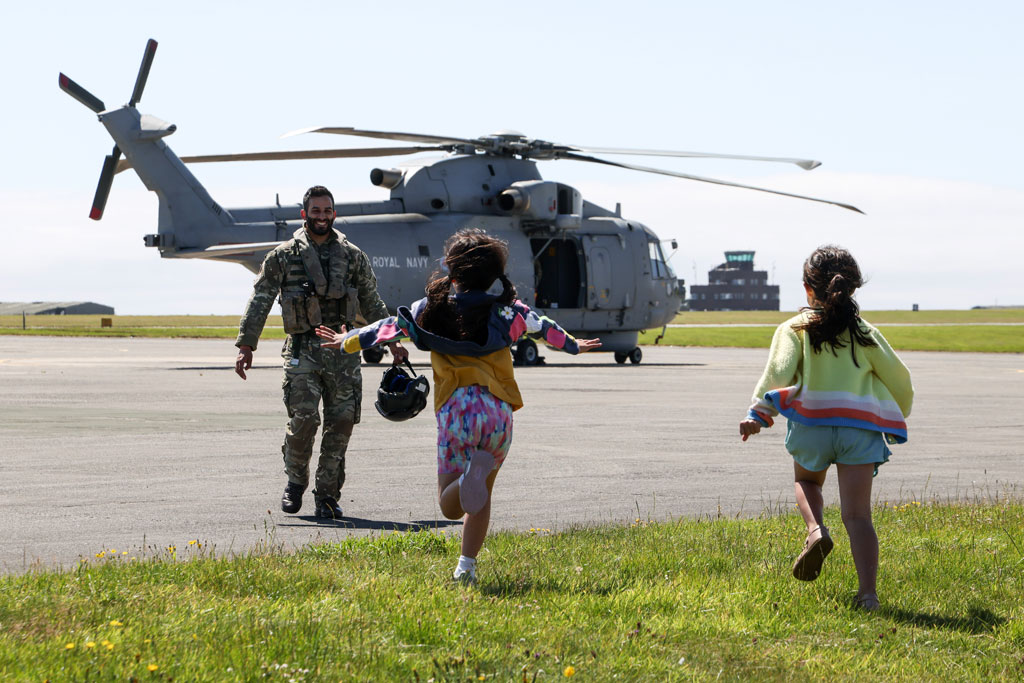
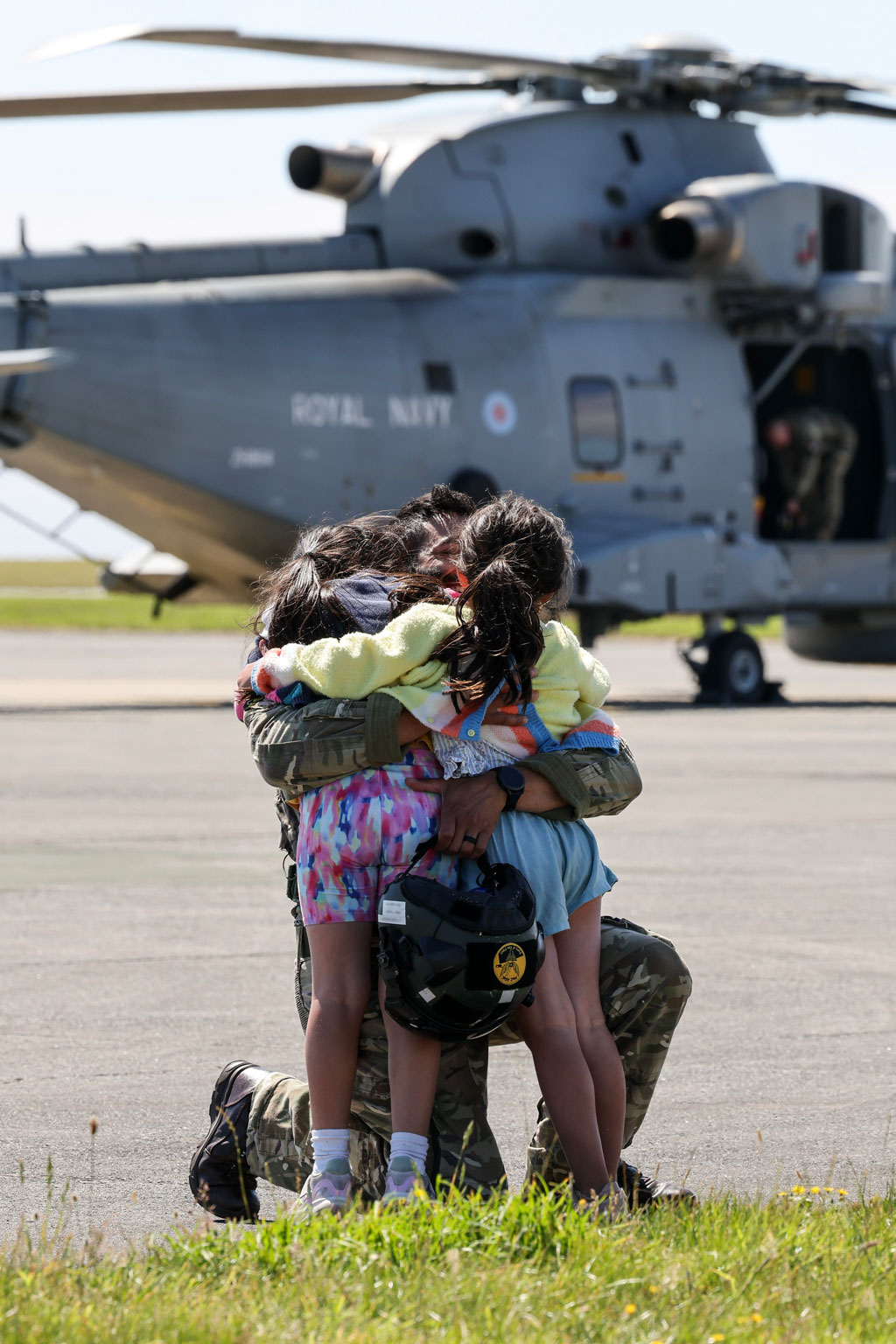
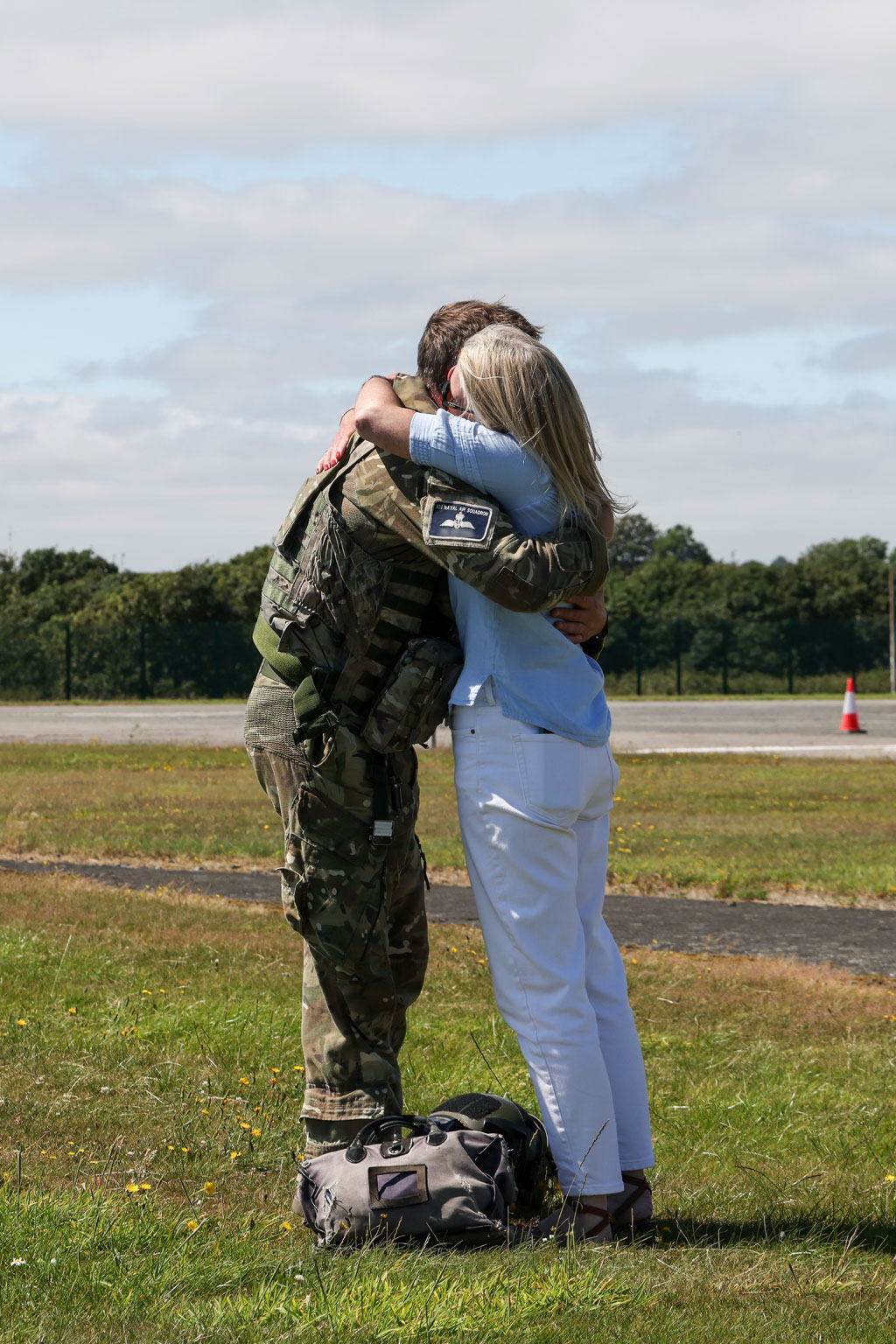
Families greeted their loved ones as Royal Navy sailors returned home after four months defending UK forces in the eastern Mediterranean.
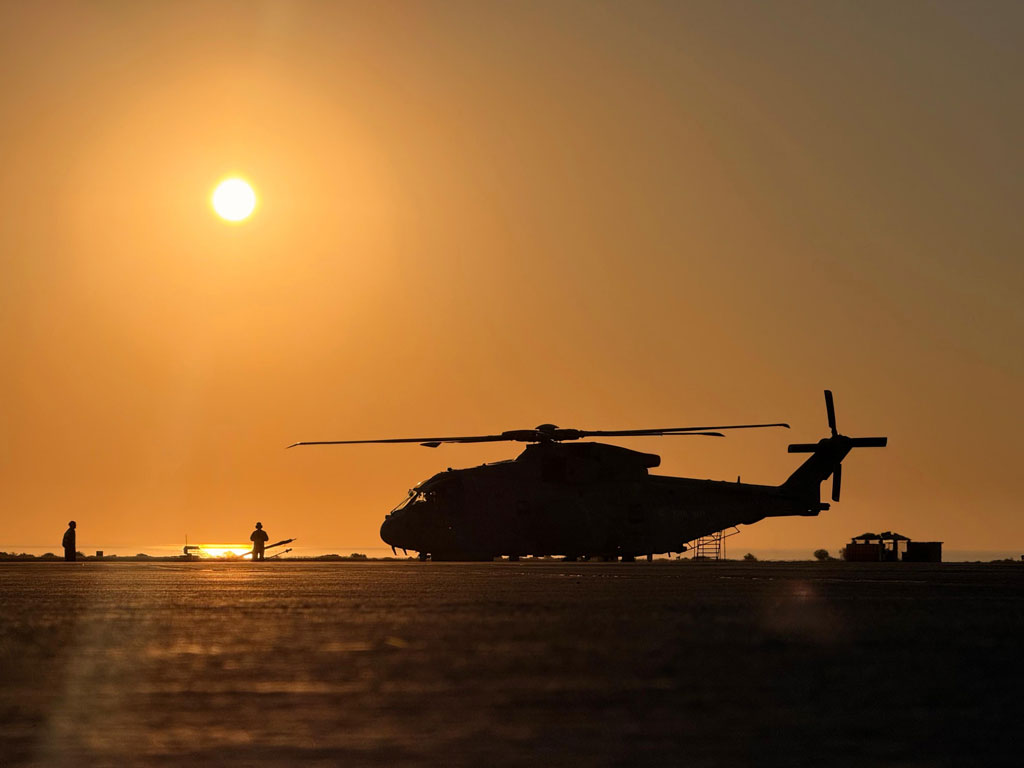
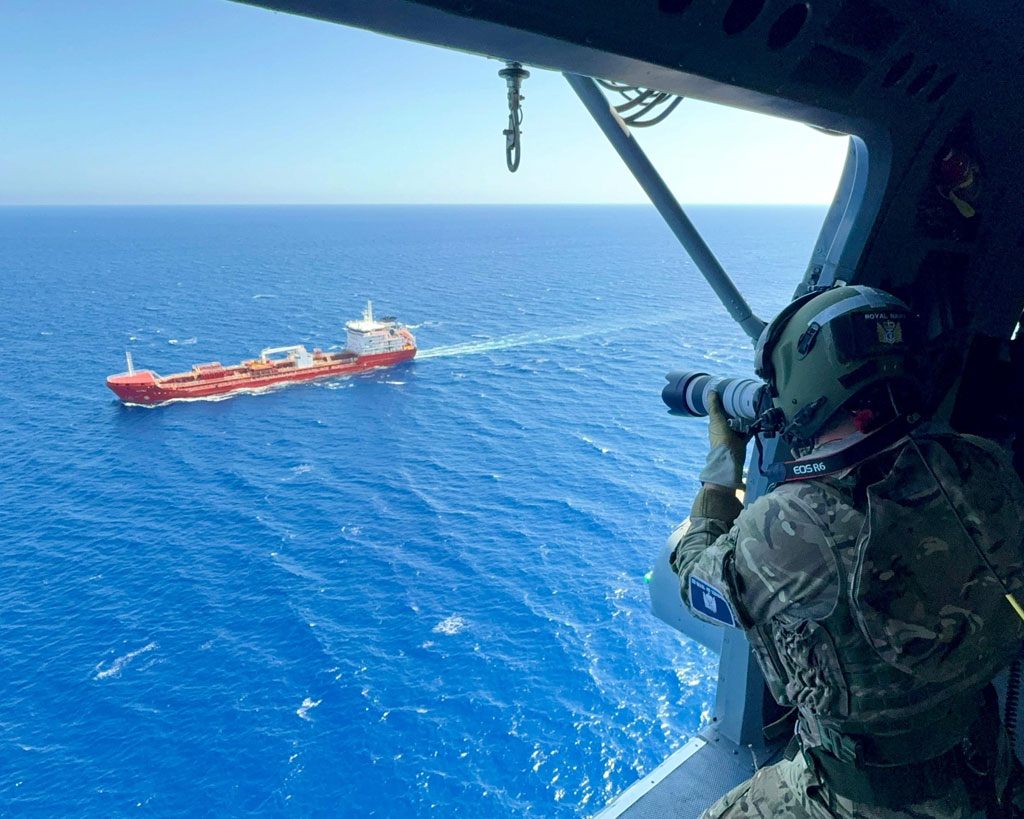
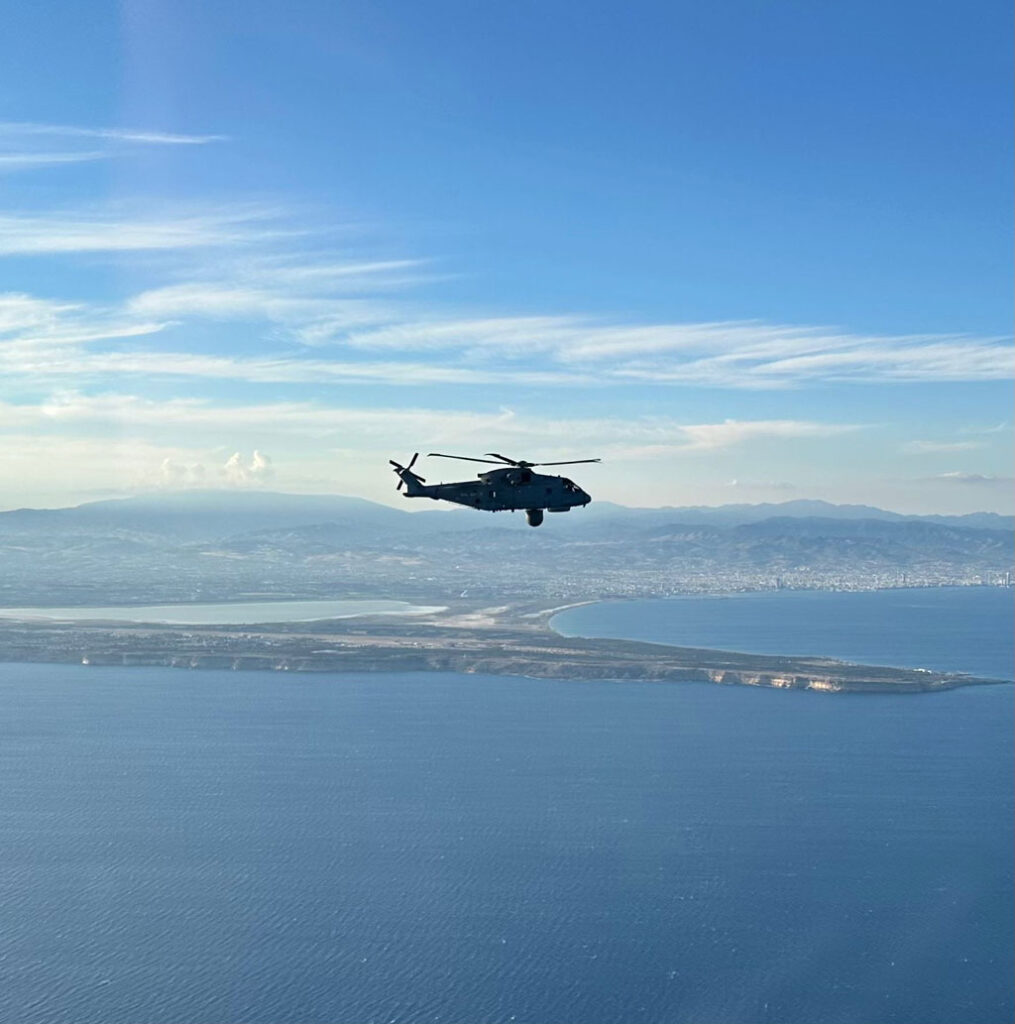
The detachment from 820 Naval Air Squadron left the UK back in the spring to patrol the skies around Cyprus, defending RAF Akrotiri from potential attack by drones and missiles.
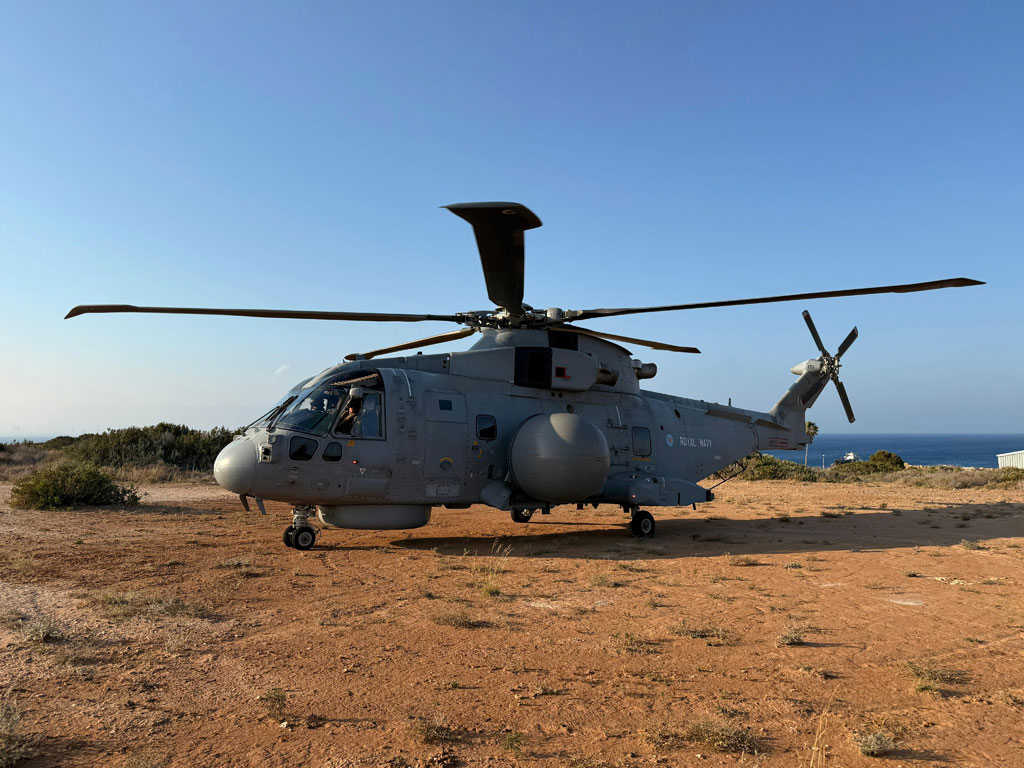
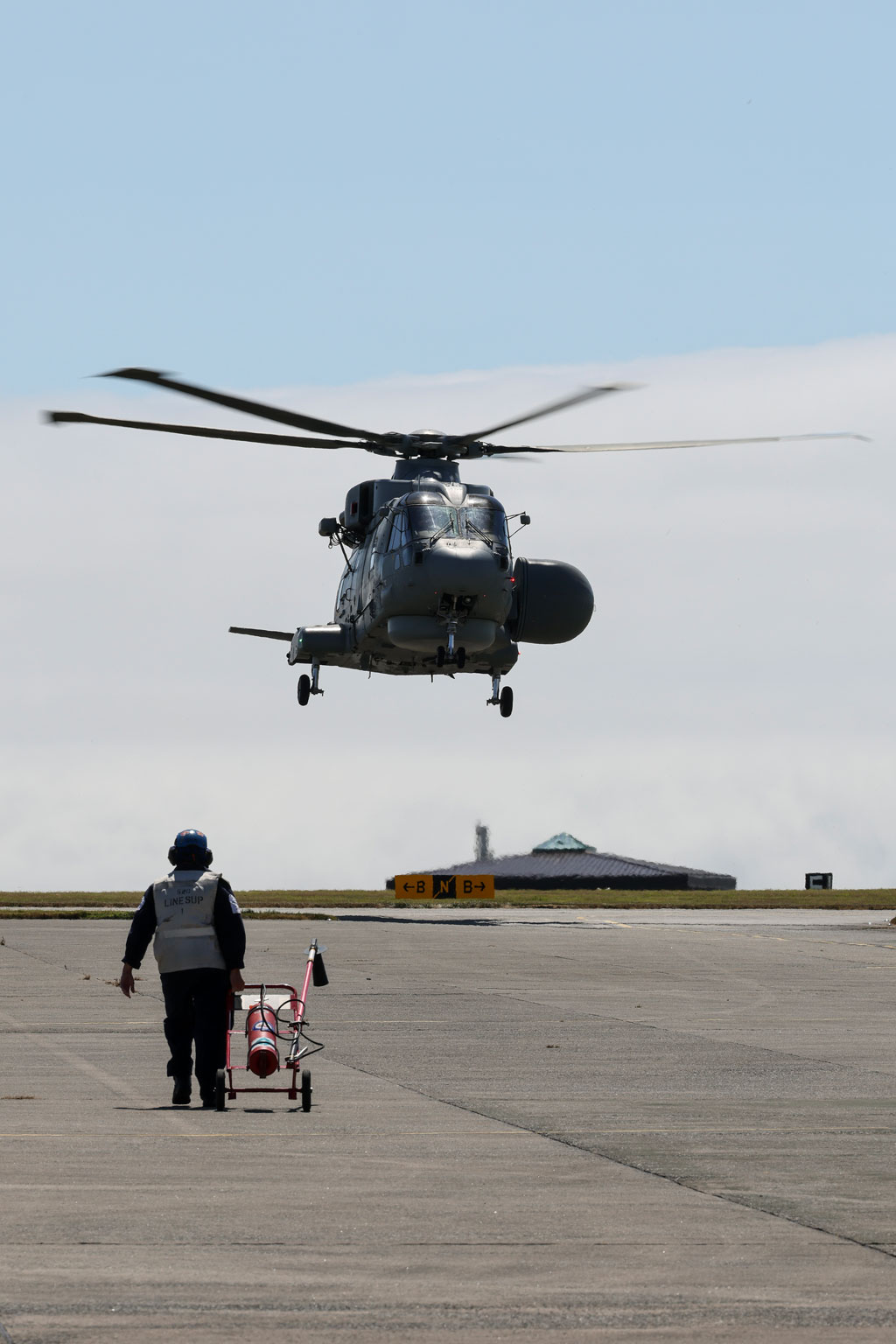
Two of the Merlin Mk2 airborne surveillance and control helicopters touched down in Cornwall having made the long journey across Europe to return to their home base of RNAS Culdrose near Helston.
A third helicopter is due back later. Additional aircrew and the engineering detachment also came home separately at the weekend.
With their powerful radars, which are lowered in Kelvar bags underneath the fuselage – earning the aircraft their ‘bagger’ nickname – the Merlins provide a far-reaching view of potential surface and aerial threats.
Combined with Wildcat attack helicopters armed with air-to-air Martlet missiles, from sister air station RNAS Yeovilton, and ground defences in Cyprus, the force provided a multi-layer defence of skies across the region.
As well as families waiting eagerly at the squadron’s headquarters, the air station’s Commanding Officer Captain James Hall was on hand to thank them for their moral support and the aviators/ground crew for their efforts.
He said the three Merlins had been “integral” to the multi-layered defence of RAF Akrotiri and underscored the importance and relevance of the helicopters and their unique capabilities to deal with “ever-evolving threats from both missiles and drones”.
He continued: “This required our people to lead by operating the technology in the helicopter and adapting to the challenging operational environment to provide a credible defensive capability.
“The ability to deploy, sustain, and return these aircraft and personnel has been a whole station effort from across the Merlin Helicopter Force and the wider enabling teams at the air station – everybody from out IT team to our logistics personnel and civil servants had an important contribution to make.
“We were tasked to deliver – and we have delivered the results asked of us. It is a privilege to welcome our people back to their families after uncertainty over how long the deployment would ensure for.”
Capt Hall said the challenging mission had been carried out at very short notice and took all involved out of their usual operating environment – flying sorties from the Royal Navy’s two aircraft carriers.
“I am immensely proud of the way they have approached this difficult task and have risen to the challenge – deploying initially at very short notice,” he said.
“The flights required flying over 2,000 nautical miles with multiple fuel stops supported by our allies and partners.
“Although these circumstances have been different from 820 Squadron’s usual operating environment at sea, primarily that is with the UK Carrier Strike Group, their role and the capability they provide in airborne surveillance and control has been essentially the same.”
UK MOD © Crown copyright
