
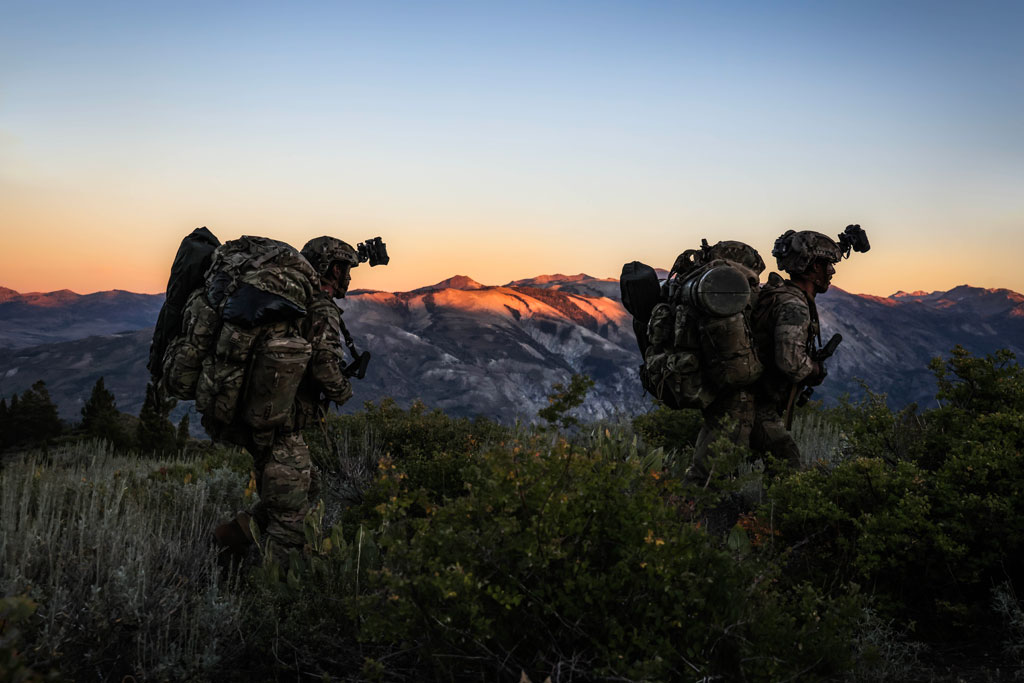
Royal Marines faced down harsh mountain terrain to hone traditional commando skills and test new kit to its limits in the mountains of California.
Marines from 45 Commando decamped from their Scottish home in Arbroath to Pickel Meadows, the United States Marine Corps Mountain Warfare Training Center 7,000ft up in the Sierra Nevada Mountains, south of Lake Tahoe in California.
Six weeks in these mountains is no mean feat, even for the hardy commandos, but this training was necessary to maintain the world-leading mountain warfare skills of the UK Commando Force.
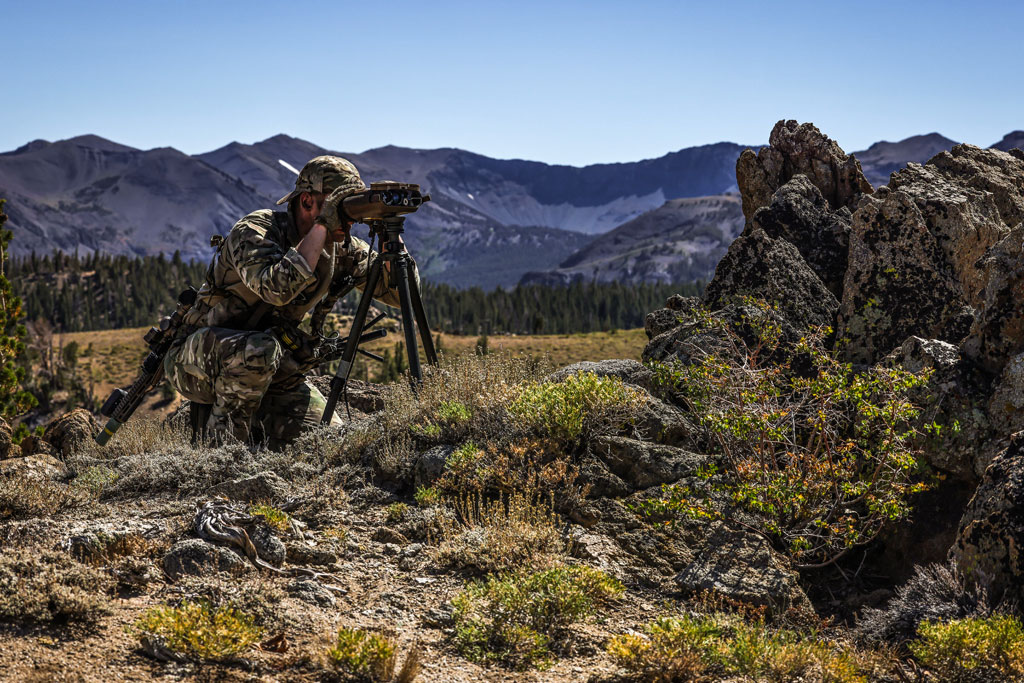
Exercise Green Dagger sharpened distinct mountain skills – vertical assaults and abseiling, river crossings and reconnaissance – and brought Royal Marines together with their US Marines brethren to tighten joint tactics and ways of operating.
Also with 45 Commando in California are 29 Commando Royal Artillery and 59 Commando Royal Engineers and medics who were all carrying out their bespoke training programmes.
It began with a week of acclimatisation, with commandos getting used to the 35c heat and working at a minimum of 6,500ft altitude to bring their bodies up to speed with their surroundings.
This included a period of study, looking at the theory of technical mountain skills that they’d put into practice later in the exercise and briefs that gave marines an understanding of their role in mountain operations.
Soon the commandos were deployed to the Sierra Nevada range – some contrast to their usual surroundings in the Scottish Cairngorms nearly 5,000 miles back across the Atlantic, where they regularly hone their mountain skills.
They headed more than 11,000ft up to the White Mountain and Lost Canon peaks, which gave commandos a chance to further get their bodies primed for their new surroundings.
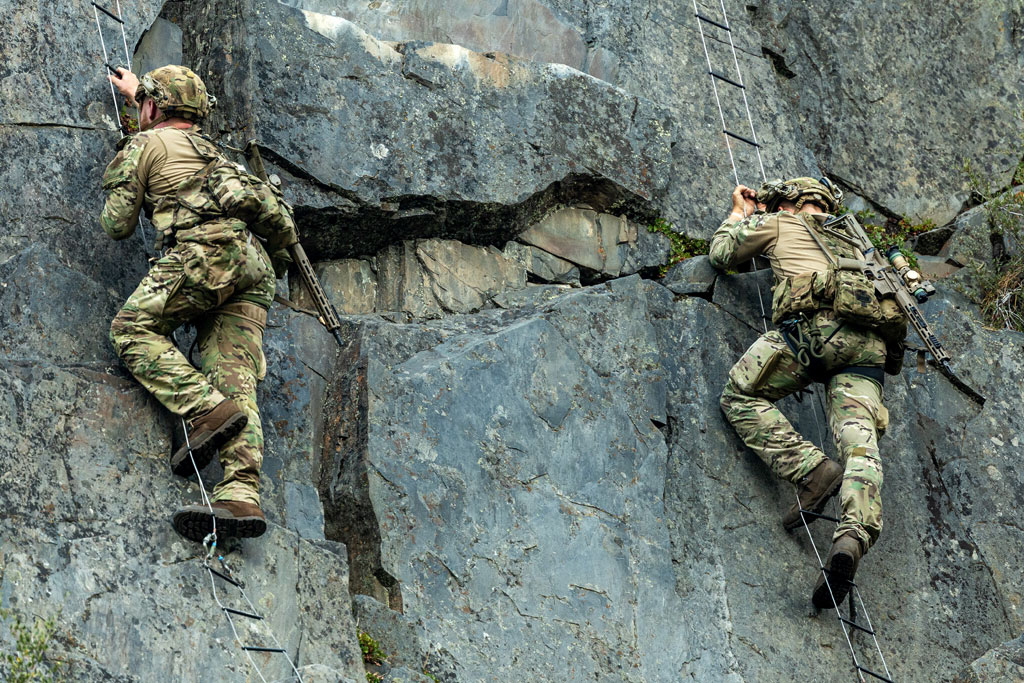
The training moved steadily onwards to core mountain skills, with commandos seen scaling sheer rock faces and cliffs on vertical assault drills – designed to catch an enemy by surprise by utilising terrain thought too extreme to scale.
Likewise, the marines practised river crossings, carrying kit and weaponry across ravines and valleys, on long range reconnaissance patrols, including making a Tyrolean traverse bridge – which involves crossing a void between two fixed points on ropes.
They top roped, climbed on wire ladders and traversed on fixed lines and completed a 100m abseil, giving commandos new confidence.
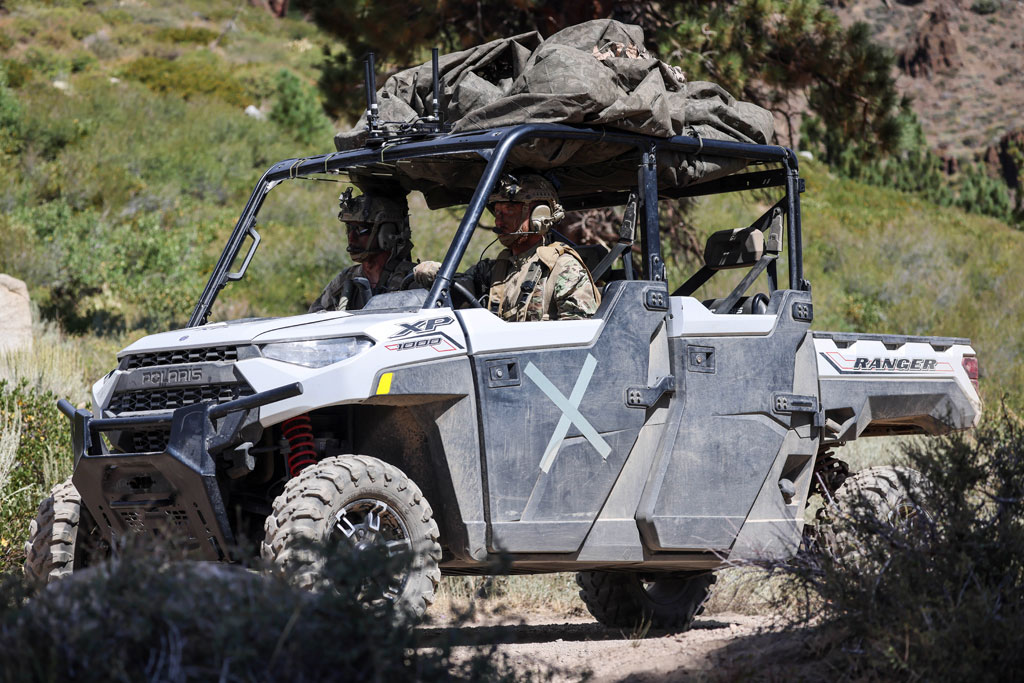
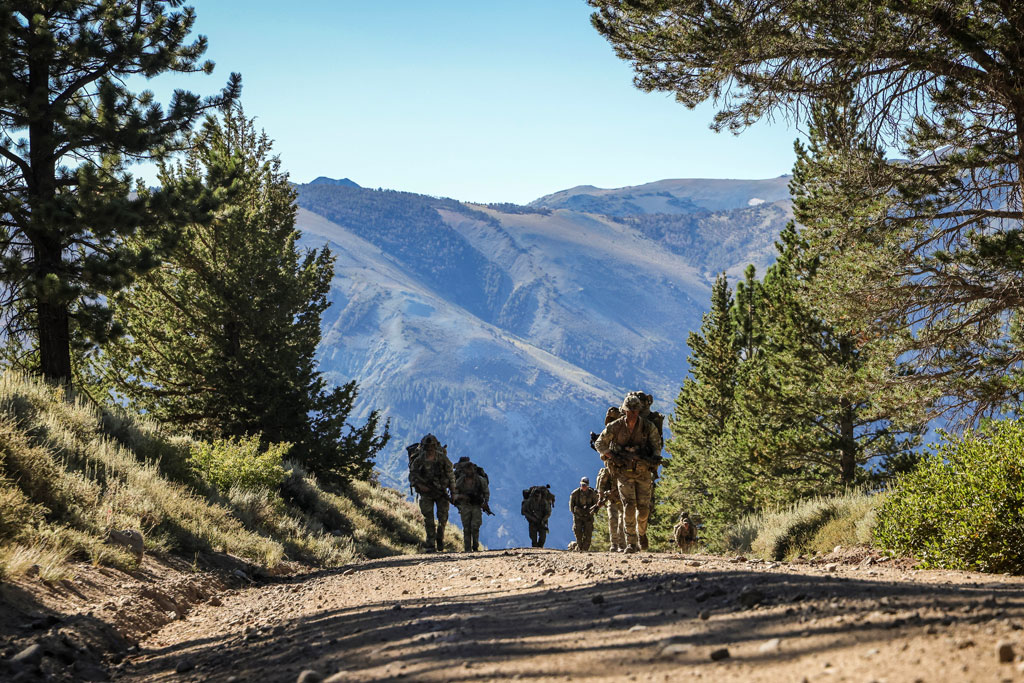
These traditional skills are hugely valuable given that operating vehicles here is extremely difficult.
It takes great mental resilience, physical conditioning and technical mountaineering skills to move anywhere, let alone with full pack and weaponry.
Assistance in getting to your destination – an outpost or observation point high upon the mountain – is scarce, although mules come in extremely handy to get heavy weapons up the lofty passes.
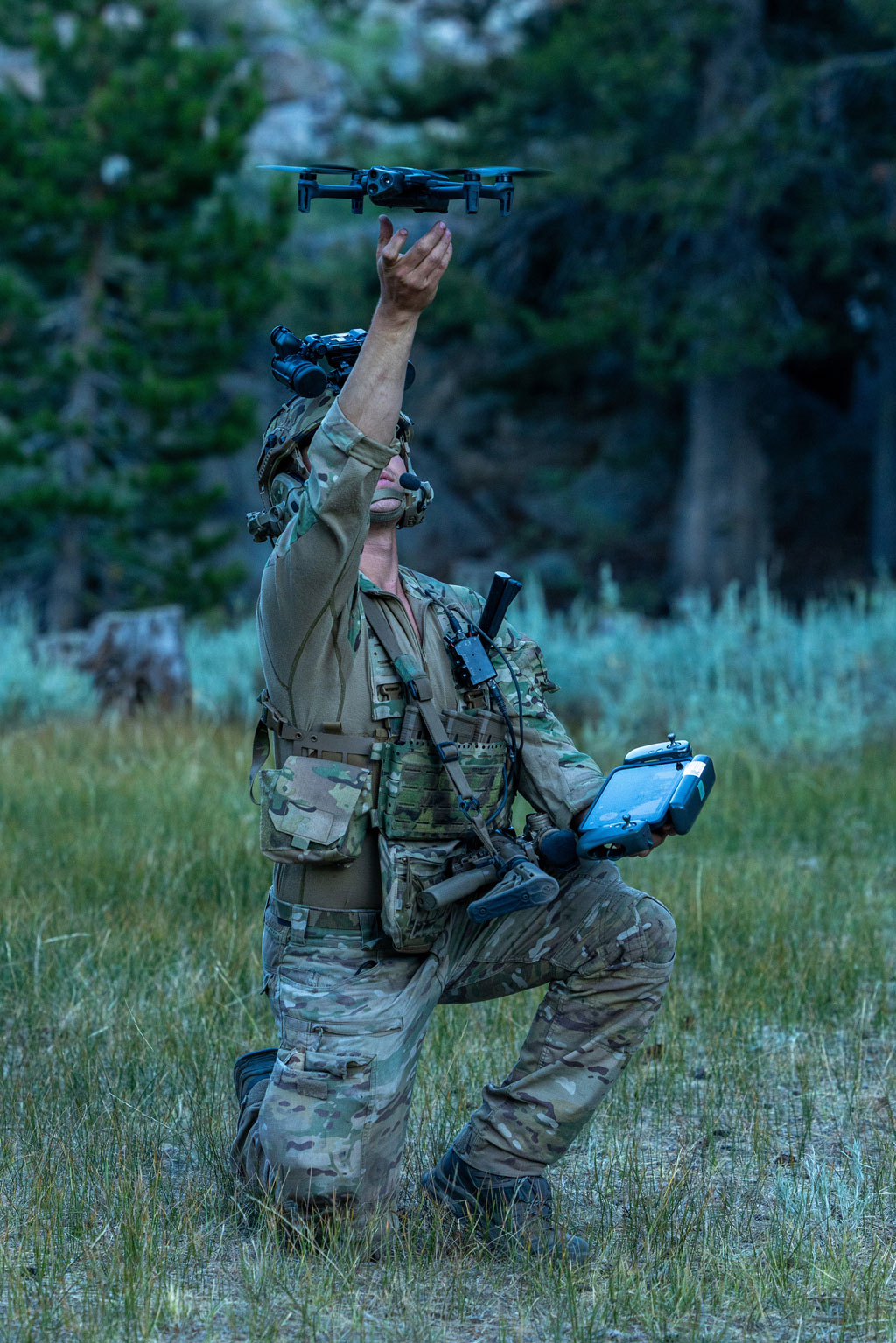
Green Dagger was also a chance for the commandos to look at how their new kit and weapons fare in this climate and altitude – mainly new optics but also their new KS-1 rifle, night vision, thermal imaging systems and long-range binoculars.
Once this phase was complete, they looked at sharpening their tactical and combat expertise in the mountains – carrying out break contact drills, ambushes and medical training before more specialised work.
That saw the commandos work on air defence, fire controllers (who calculate and call-in fire support), mortars, plus mountain communication, medicine and animal packing skills.
For the engineers of 59 Commando, they worked on building fortifications and explosive ambush techniques to restrict enemy movement along main supply routes, while a Fire Support Team from 29 Commando were deploy to control indirect fire onto targets.
The commandos then worked alongside a company from the US Marines Corps’ 2nd Battalion 4th Marines in a force-on-force exercise against 1st Battalion 5th Marines, the USMC’s Marine Forces Special Operations Command and a company from United Arab Emirates’ Presidential Guard.
This ultimately acted as validation of the 45 Commando’s work in the mountains and a valuable opportunity to understand how current tactics held up against a larger force.
Crown Copyright
