
Naval helicopter crews have completed six weeks of demanding sorties securing the skies of Cyprus and the eastern Mediterranean.
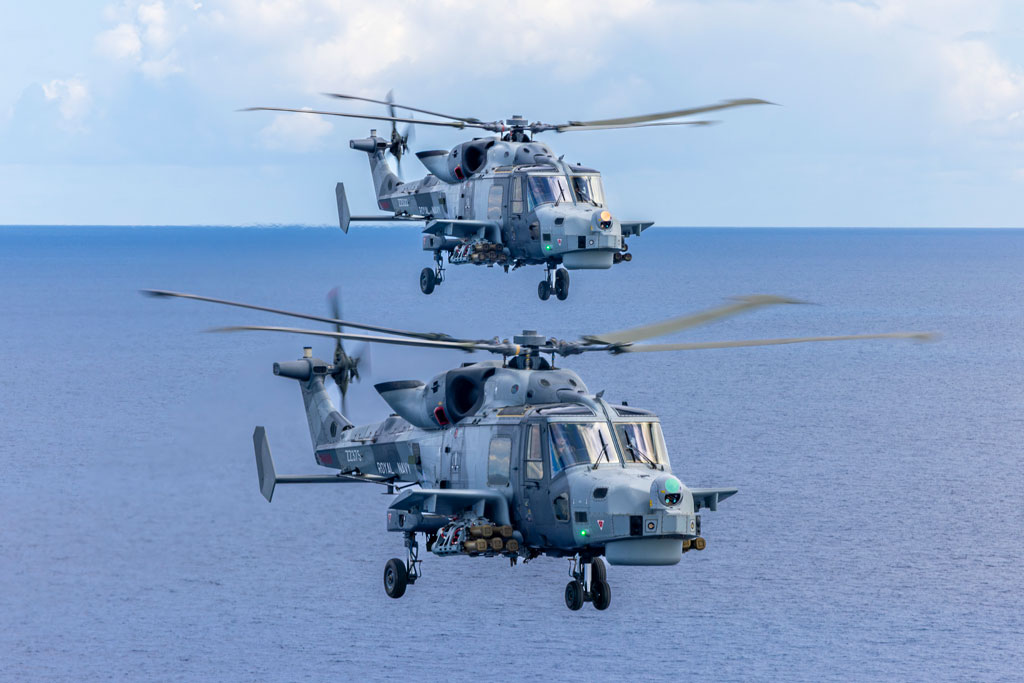
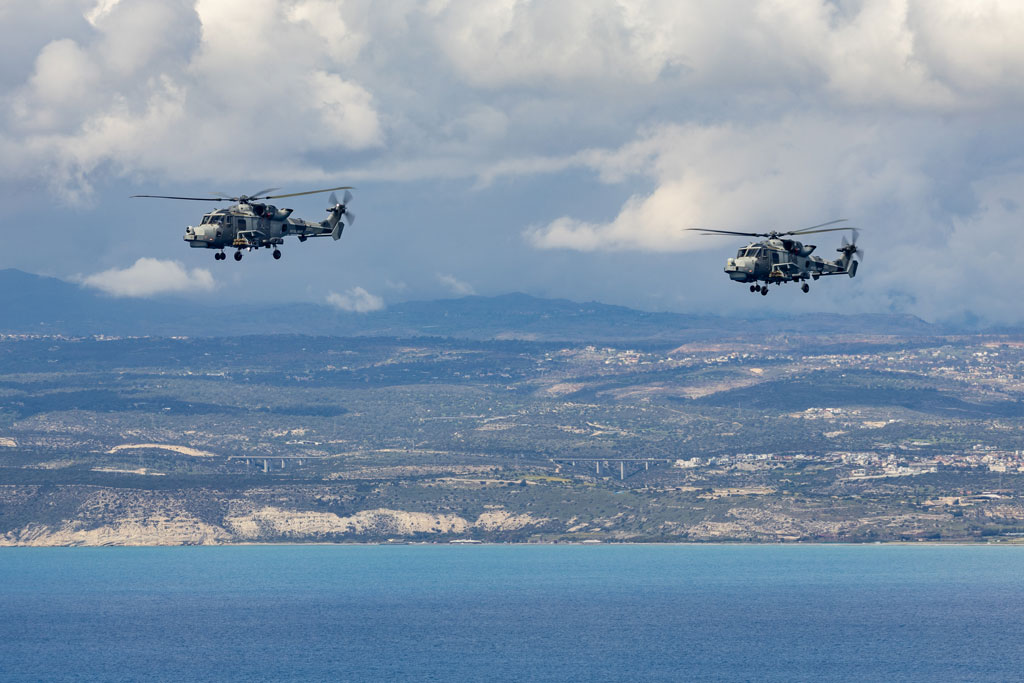
Crews of Merlin and Wildcat helicopters have flown hundreds of hours of missions – sometimes regular patrols, sometimes scrambled to respond to possible threats – since deploying to RAF Akrotiri to safeguard British interests and the people of Cyprus in the wake of the conflict in the Middle East.
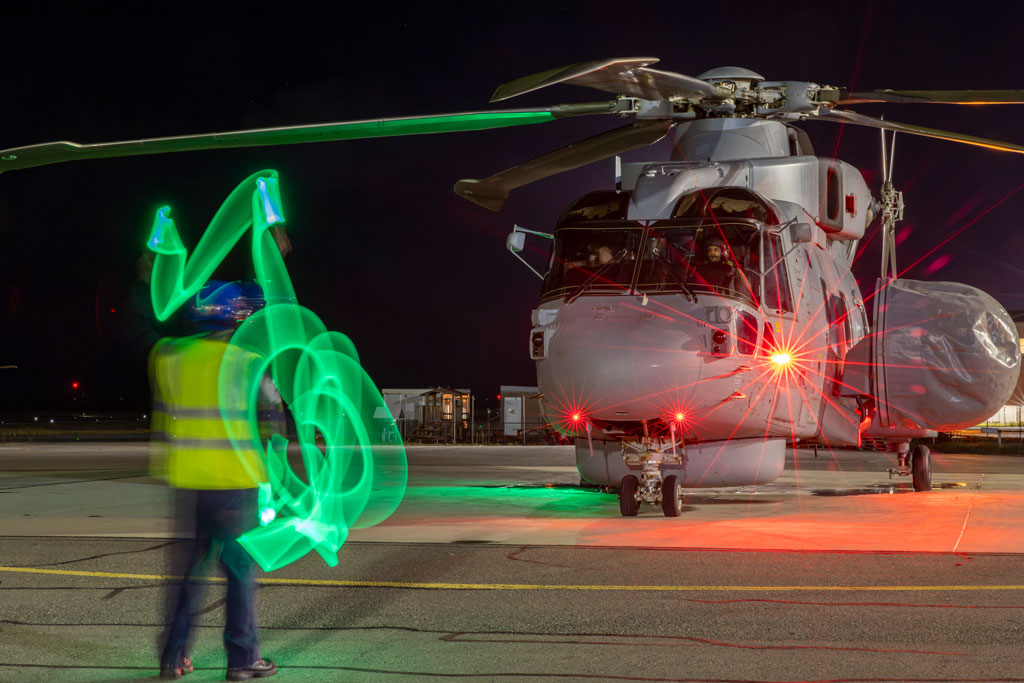
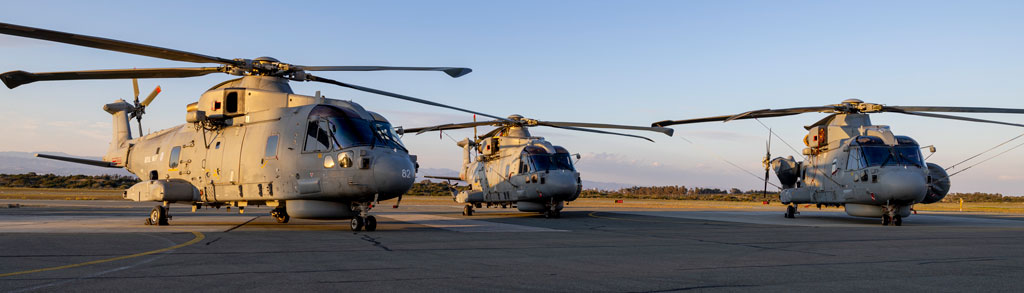
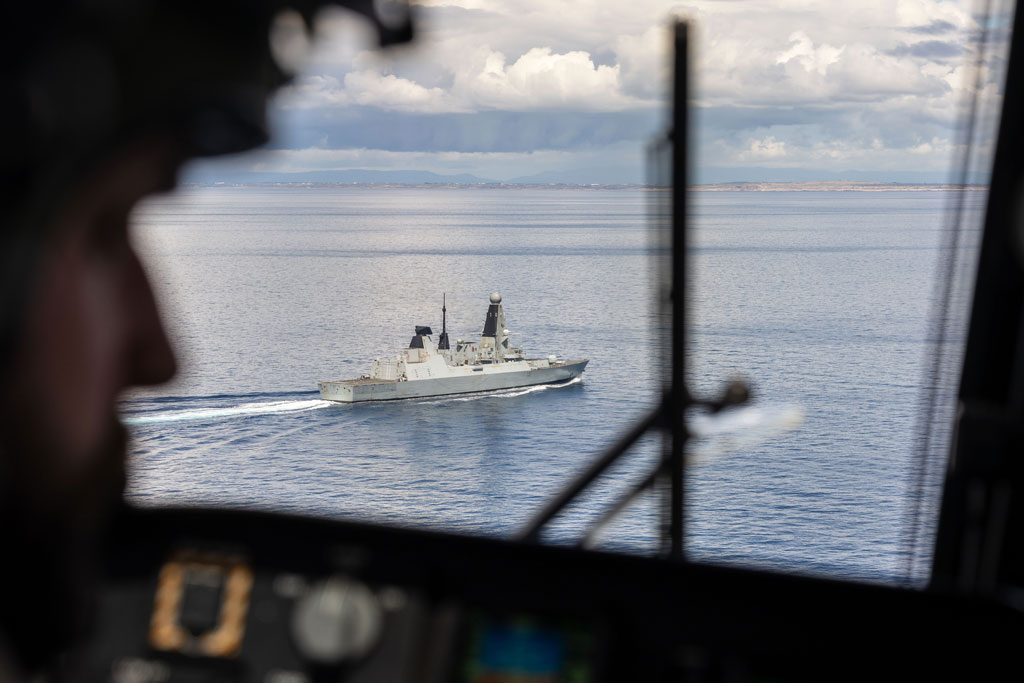
The ‘Crowsnest’ Merlins – which more typically serve with the UK’s two aircraft carriers – have been working seamlessly with the radars of HMS Dragon to provide the aerial picture covering hundreds of square miles of the eastern Mediterranean.
That picture is shared with RAF and Fleet Air Arm pilots flying F-35 Lightning interceptors, also deployed to Cyprus, as well as Wildcats and air defence troops on the ground armed with Martlet missiles.
Martlet is designed to take out small aircraft, helicopters and drones, light vehicles on the ground and small boats/craft at sea.
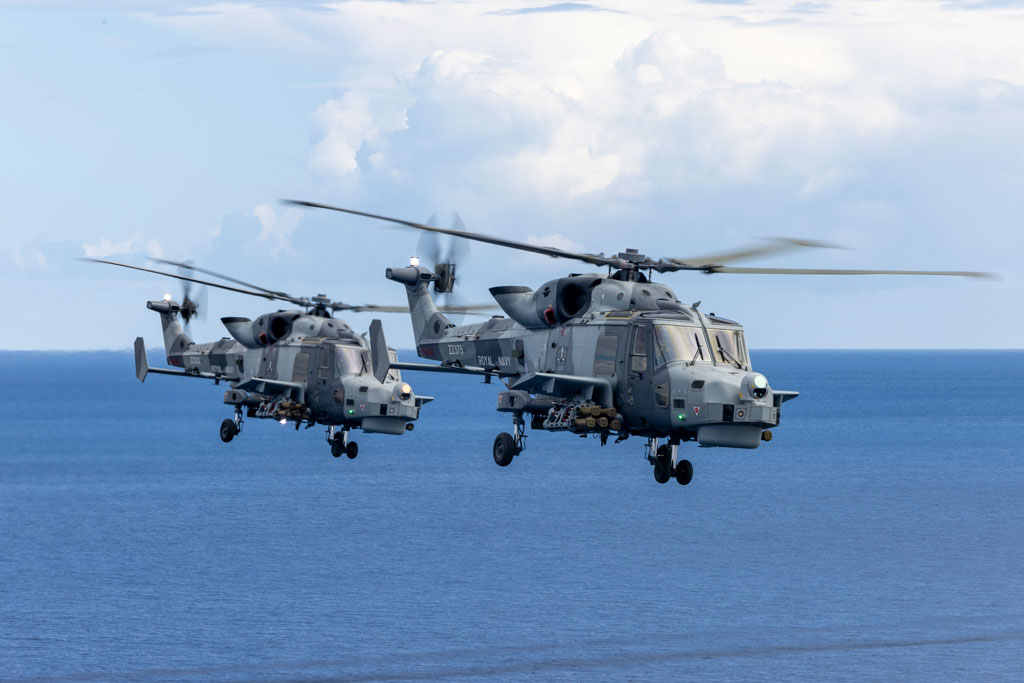
It’s operated by all three of the UK’s Armed Forces, fired either from pylons on weapons wings attached to Wildcat helicopters, Stormer armoured vehicles or from launchers used by soldiers, the RAF Regiment or the Royal Marines Air Defence Troop.
Upon leaving its launcher, the missile accelerates to speeds in excess of 1½ times the speed of sound, and when its three-kilogramme warhead detonates, it peppers its target with shrapnel. Coupled with the kinetic effect of being hit by something travelling around 1,150mph, the result is devastating.
Provided to Ukrainian forces, Martlet has proved highly effective in the war against Russia.
There have been no live engagements in the eastern Mediterranean, but the Wildcats are airborne daily and have already flown more than 100 hours of sorties.
Also airborne daily are Merlin Mk2 Airborne Surveillance and Control helicopters – known as Crowsnest – of 820 Naval Air Squadron, which has dispatched its aircraft to Akrotiri from its home at RNAS Culdrose in Cornwall.
“Although these are exceptional circumstances, providing protection from aerial threats such as drones or missiles is a core capability for which the team at 820 Squadron is well trained and capable,” said Culdrose’s Commanding Officer Captain James Hall.
“I am delighted at the way Merlin Helicopter Force has responded and stepped up to defend our nation – alongside our current commitments to protect UK interests in the Atlantic and the High North – to ensure we meet our defence obligations as required by the government.”
They have found the skies of the eastern Mediterranean are far from quiet; in addition to military activity, there remain regular flights in and out of Cyprus’ civilian airports.
“It’s a busy and complex section of airspace, with a mix of civilian and military aircraft continuously operating,” said Commander Sammy Haynes, Commanding Officer of 825 Naval Air Squadron.
“It is also a very busy area for maritime traffic, with civilian ships coming in/out of the Suez Canal interwoven with local fishing vessels, passenger ferries, cruise ships and a significant number of warships from a variety of nations.
“This makes Cyprus a very complex operating environment in which to conduct both air and surface defence.”
Commanders back at the helicopters’ home base of RNAS Yeovilton in Somerset have been impressed by the speed with which the Wildcats – typically found operating from Royal Navy frigates and destroyers (one is assigned to HMS Dragon) – deployed to the eastern Mediterranean; the aircraft were available for front-line operations with 48 hours of being alerted.
“We are immensely proud of what personnel and aircraft have achieved in Cyprus,” Commander Haynes said.
“The rapid deployment of helicopters, aircrew and engineers has provided a credible defence against emerging threats. Our personnel integrated seamlessly into the layered air defence network, and we remain ready at all times to keep the people of Cyprus safe.”
UK MOD © Crown copyright 2026
