
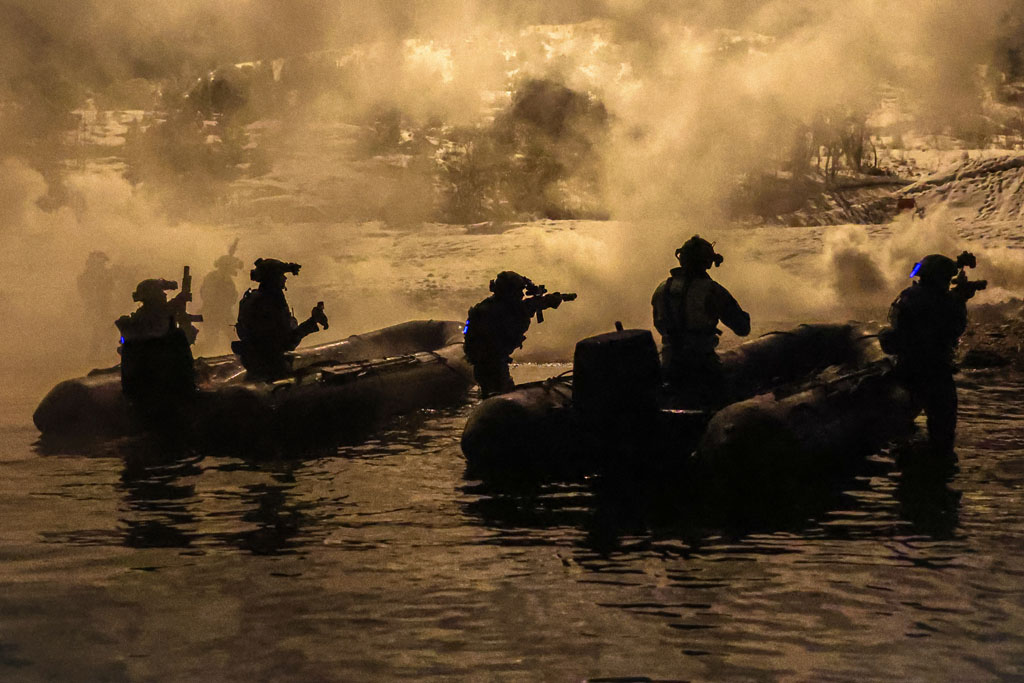
Specialist Royal Marines carried out discreet reconnaissance missions in the freezing fjords of Northern Norway ahead of a major NATO Arctic operation.
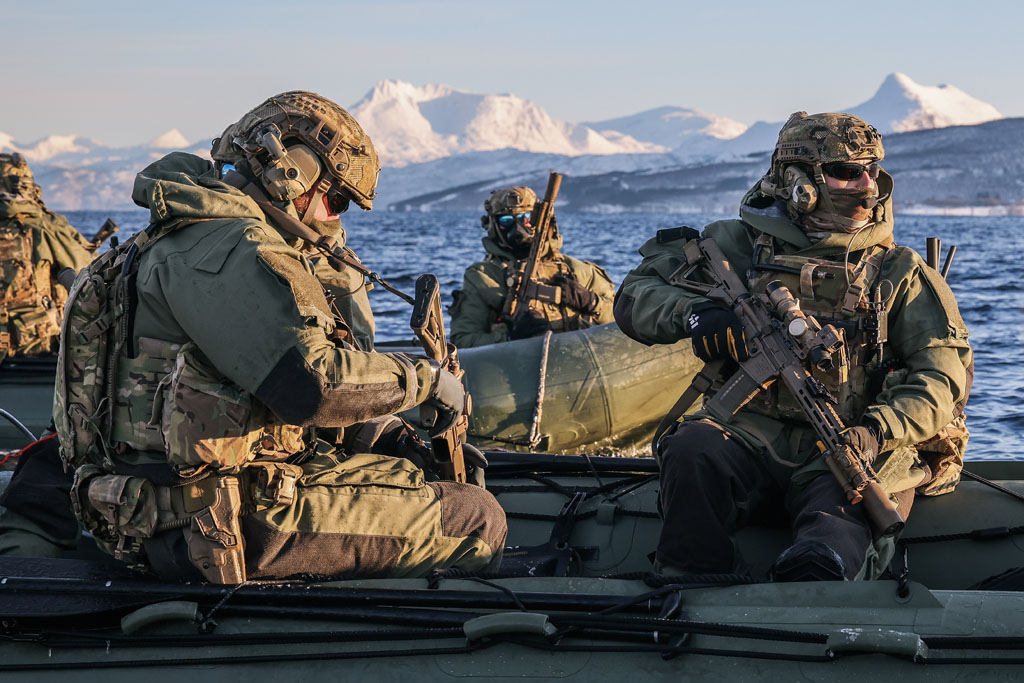
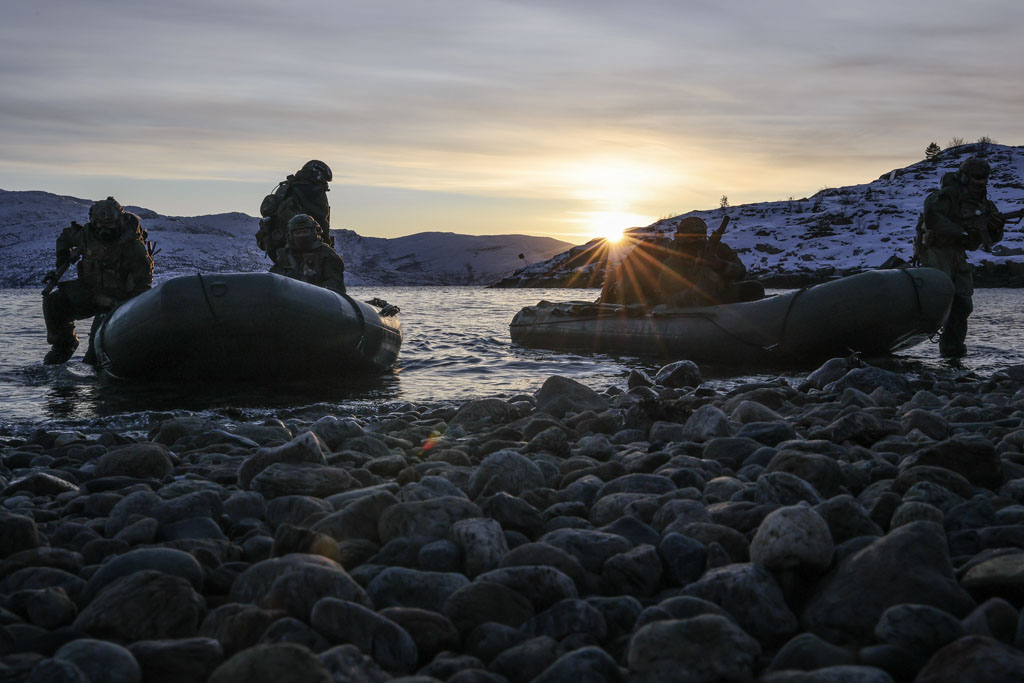
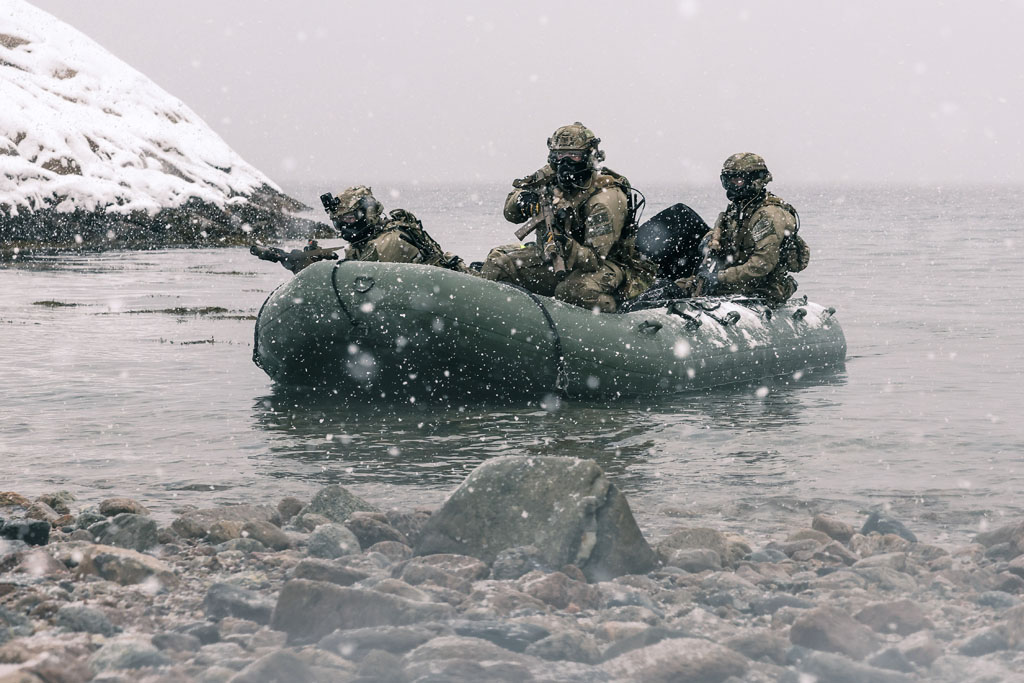
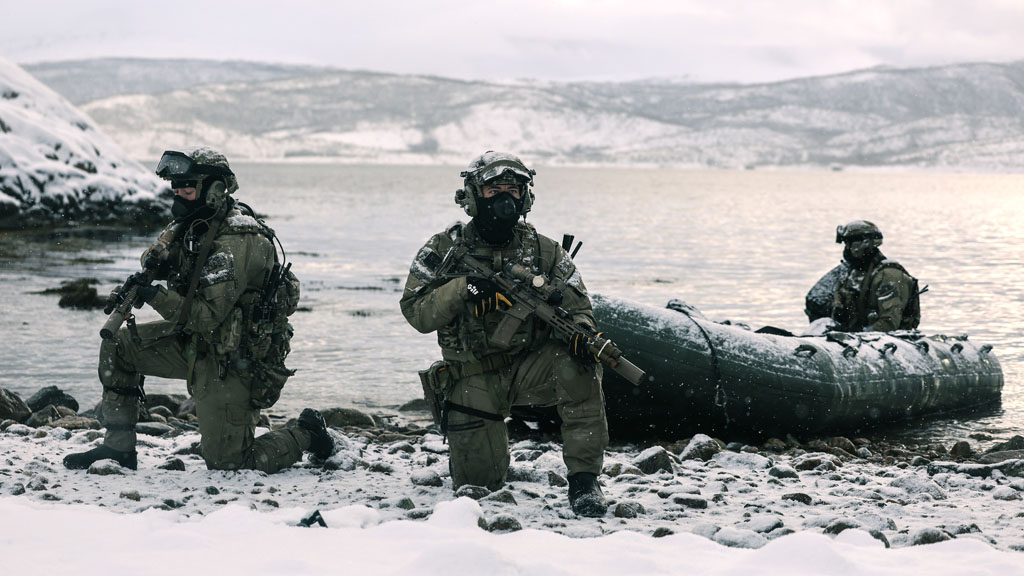
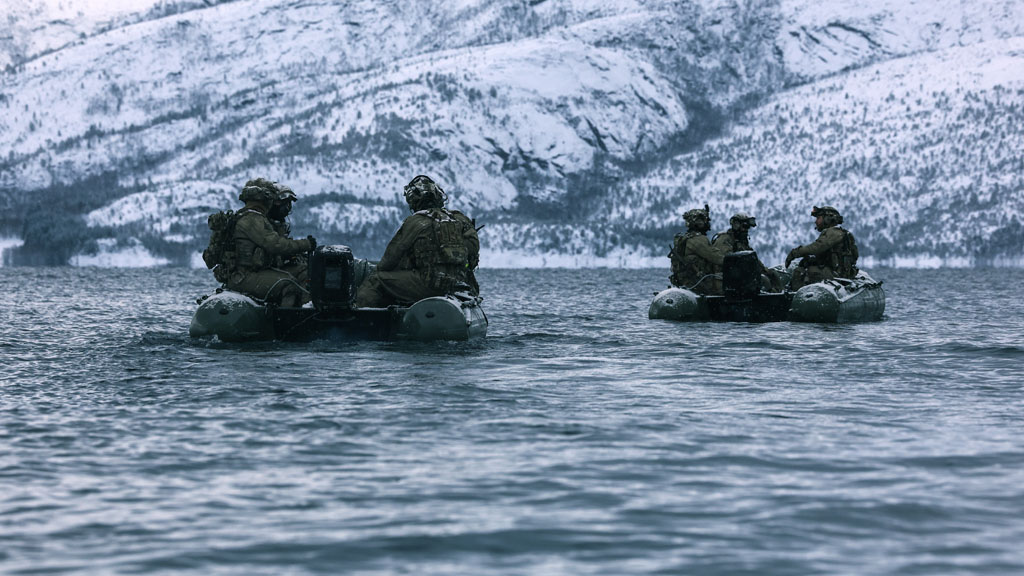
The Shore Reconnaissance Troop (SRT) from the expert Commando Force Boat Operators branch are trained to insert and covertly study complicated coastal areas and decide the best place to conduct large-scale landings.
This is known as advance force operations – essentially going ahead of the main part of an allied spearhead to pave the way for follow on forces by securing beaches, taking out enemy positions and creating a foothold.
It is a job that requires great skill and daring, but the pay off can be huge – providing a tactical upper hand.
These robust commandos must be able to operate in all extreme environments around the world and have spent three months in the Arctic practising for fjord-based missions.
All of this is part of major UK efforts in the High North as NATO builds up to its biggest operation in the region this year, known as Cold Response 26, involving some 25,000 troops from 14 nations between 9 and 19 March.
“As an advance force, this winter training ensures SRT are capable of projecting combat power from the sea, securing beachheads, and establishing critical footholds in austere or contested environments, providing follow-on forces with a decisive tactical advantage,” said the Officer in Command (OC) of the SRT, who cannot be named for operational reasons.
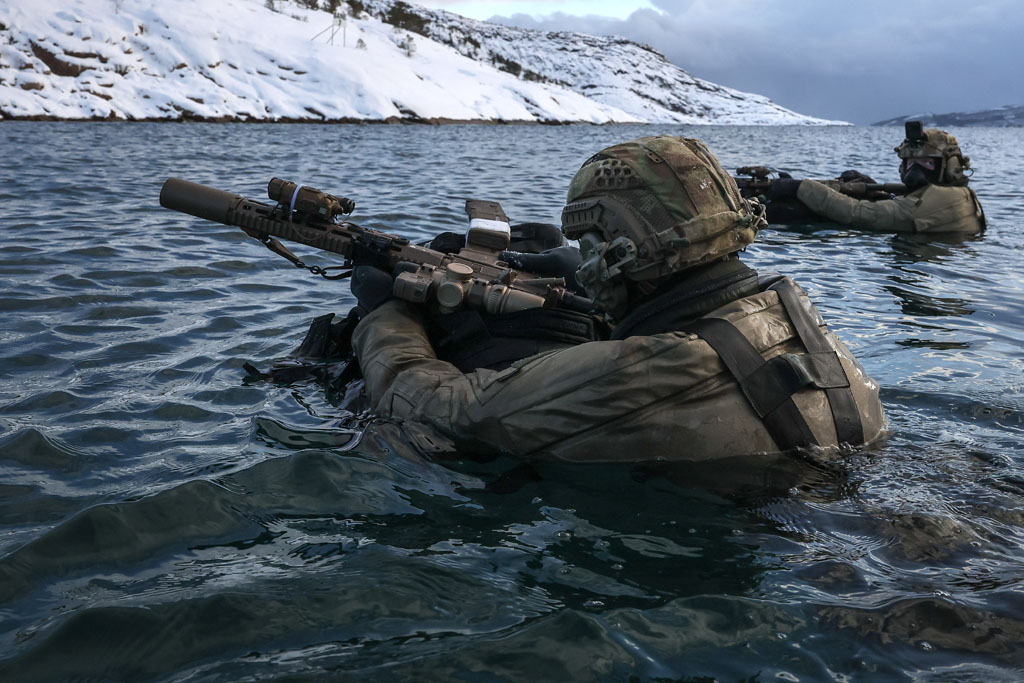
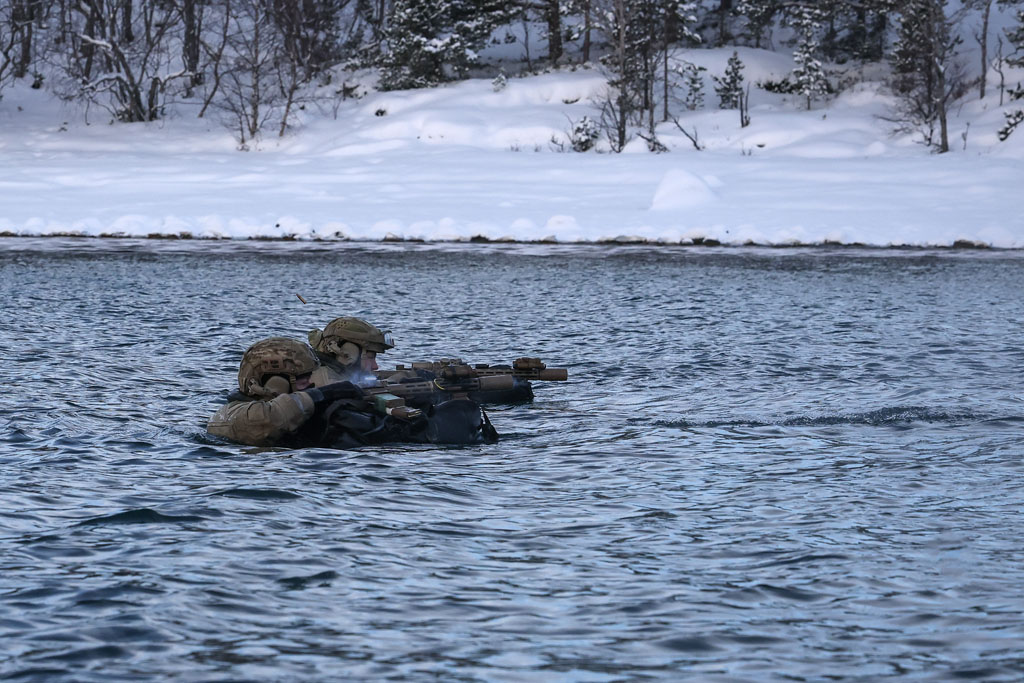
The team operate small craft in harsh conditions, but to get the best data they must get out of the boat and swim, even in temperatures of -30°C degrees and in challenging sea states.
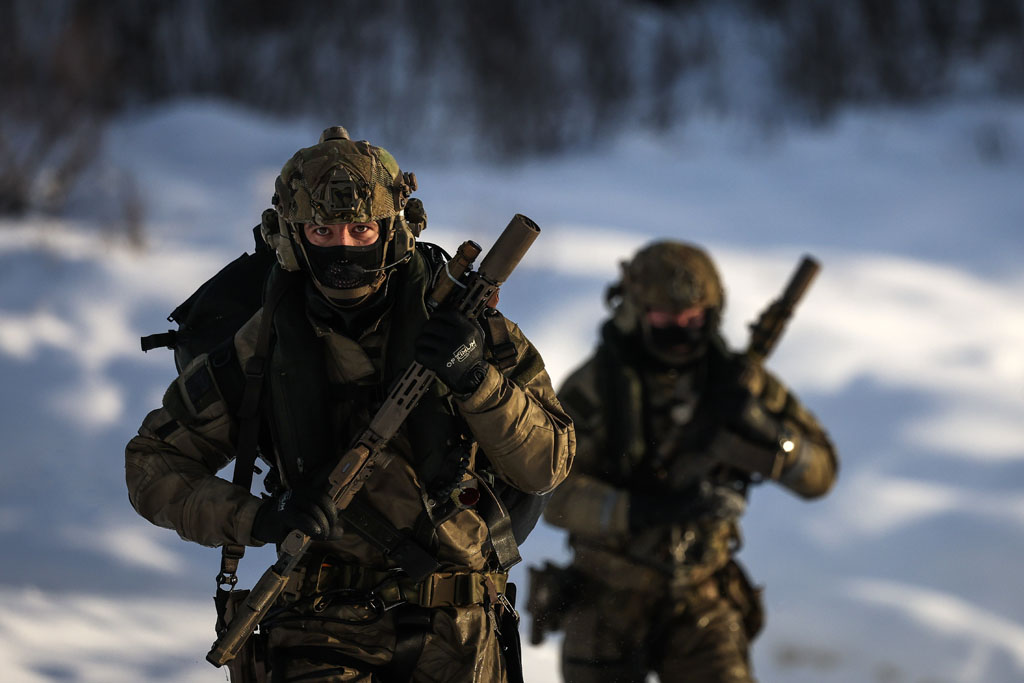
Each commando wears multiple layers of clothing to protect from the weather. They also have specialist glove and mitts systems, plus buoyant plate carriers, as well as maritime webbing, helmet, rifle and pistols.
“Swimming in near-freezing water builds cold-weather resilience, strengthens mental toughness, and conditions operators to manage cold shock, restricted mobility, and heavy equipment whilst maintaining operational focus,” added OC SRT.
“Operating on open water in extreme cold presents significant challenges—weapon systems must be carefully maintained to prevent freezing, dexterity declines rapidly without proper protection, and hypothermia remains a constant and very real threat—but overcoming these factors enhances discipline, preparation, and team cohesion.”
Once the beach recce is complete, the team moves on to their next target. They can operate for weeks on end without support and with few opportunities to communicate back to base.
To join the Shore Reconnaissance Team is a lengthy and tough process.
Marines must first become Commando Force Boat Operator specialists and, once they have enough experience in role, they undertake a five-week arduous Reconnaissance Operators course, which develops covert surveillance and reconnaissance skills, and experience of operating behind enemy lines to gather intelligence.
The Shore Reconnaissance Team are one of the technical trades within the Surveillance Reconnaissance Squadron. All teams within the group are technical experts in their field and with a vast amount of experience in deep reconnaissance.


Crown Copyright
